YATES, Frederick George
(Service number 6/578)
| First Rank | Private | Last Rank |
|---|
Birth
| Date | Unknown | Place of Birth |
|---|
Enlistment Information
| Date | Age | ||
|---|---|---|---|
| Address at Enlistment | Waterton, New Zealand | ||
| Occupation | |||
| Previous Military Experience | |||
| Marital Status | Single | ||
| Next of Kin | W.M. Yates, Rangitata, New Zealand | ||
Military Service
| Served with | NZ Armed Forces | Served in | Army |
|---|
Embarkation Information
| Body on Embarkation | Main Body | ||
|---|---|---|---|
| Unit, Squadron, or Ship | Canterbury Infantry Battalion | ||
| Date | 16 October 1914 | ||
| Transport | Tahiti or Athenic | ||
| Embarked From | Lyttelton, NZ | Destination | Suez, Egypt |
| Other Units Served With | |||
|---|---|---|---|
| Last Unit Served With | Canterbury Infantry Battalion | ||
Military Awards
| Campaigns | |||
|---|---|---|---|
| Service Medals | |||
Award Circumstances and Date
No information
Prisoner of War Information
| Date of Capture | |
|---|---|
| Where Captured and by Whom | |
| Actions Prior to Capture | |
| PoW Serial Number | |
| PoW Camps | |
| Days Interned | |
| Liberation Date |
Death
| Date | 25 April 1915 | Age | 21 |
|---|---|---|---|
| Place of Death | At the landing, Gallipoli, Turkey | ||
| Cause | Killed in action | ||
| Memorial or Cemetery | Lone Pine Memorial, Lone Pine Cemetery, Anzac, Turkey | ||
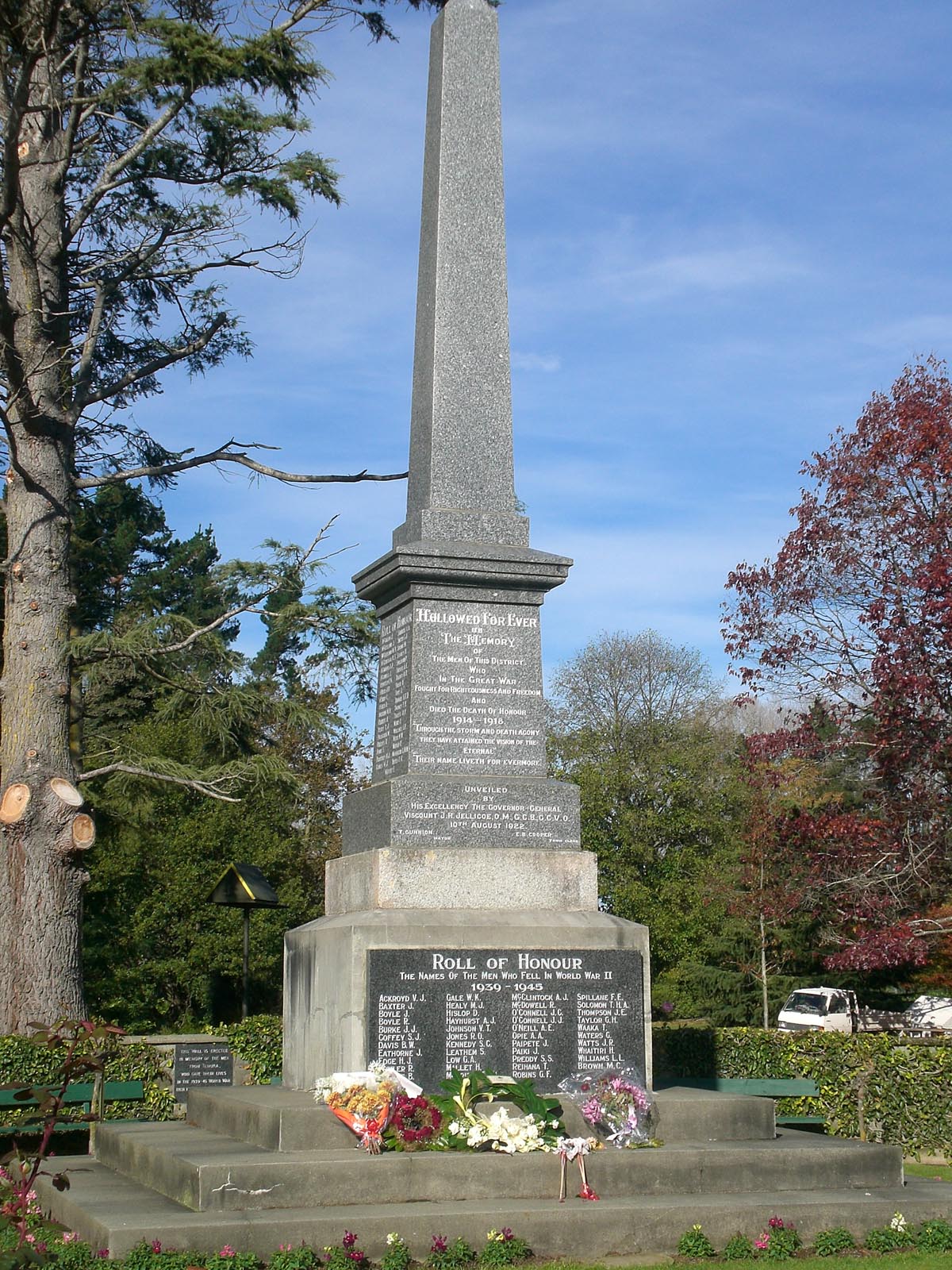
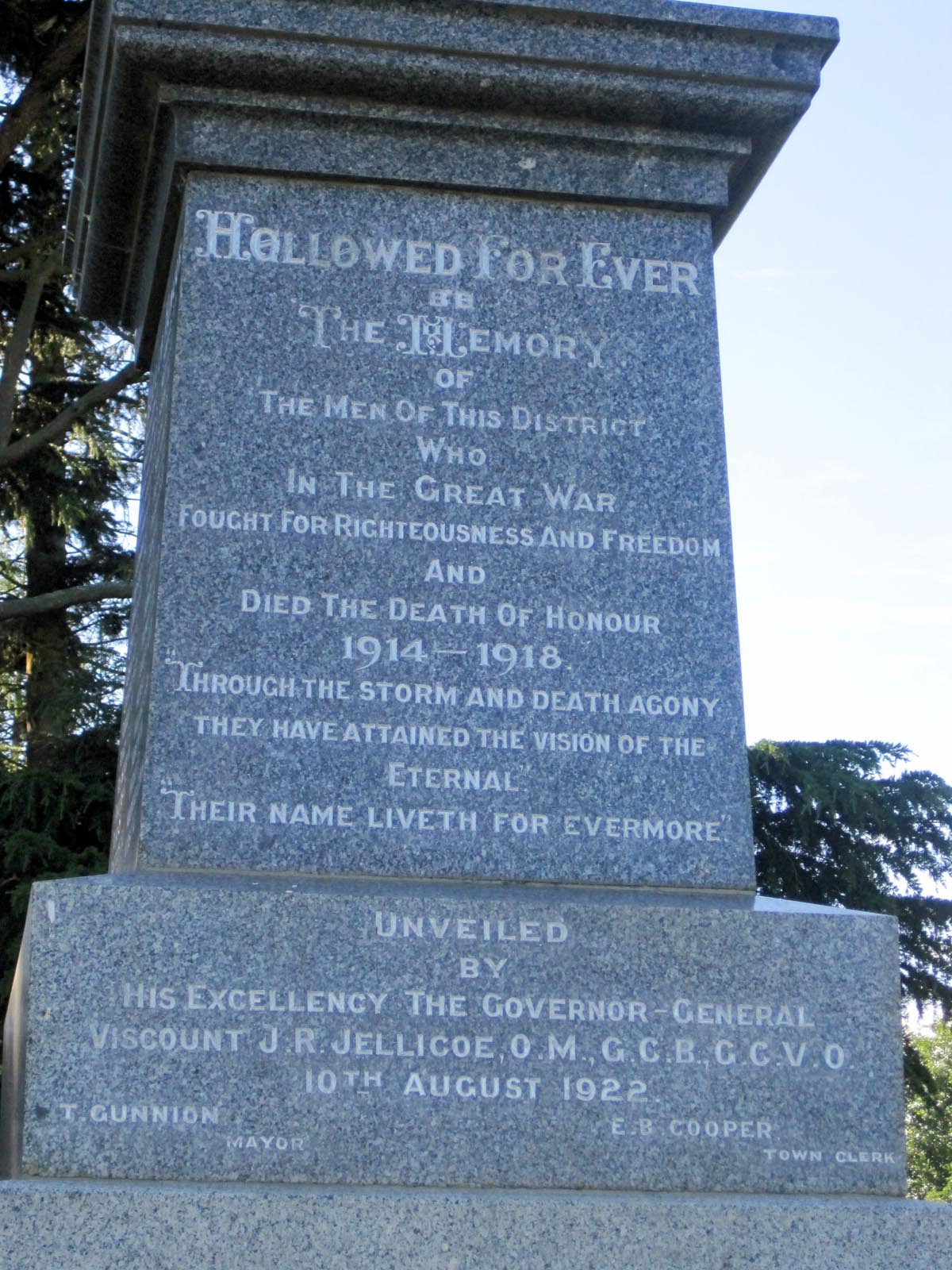
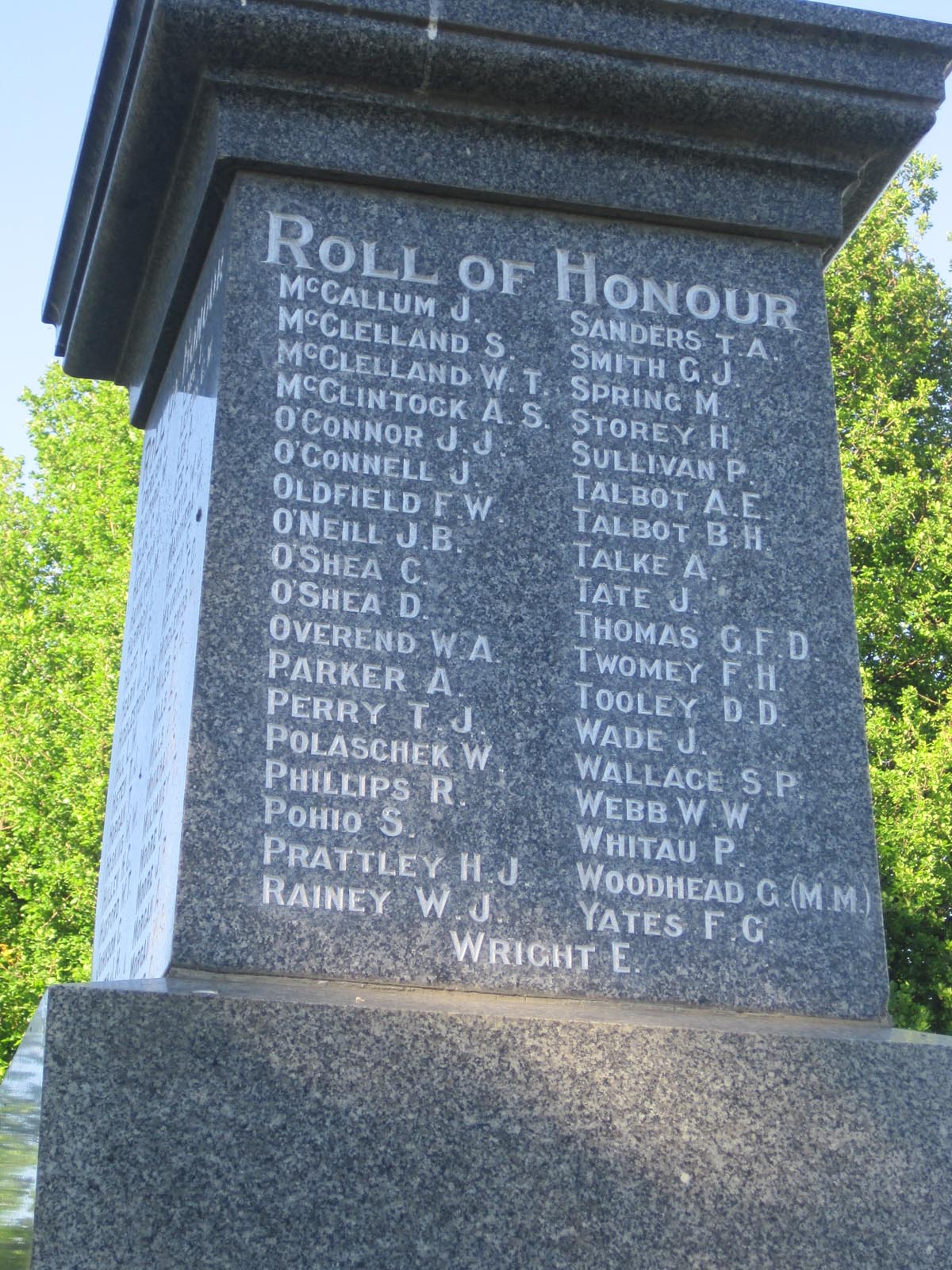
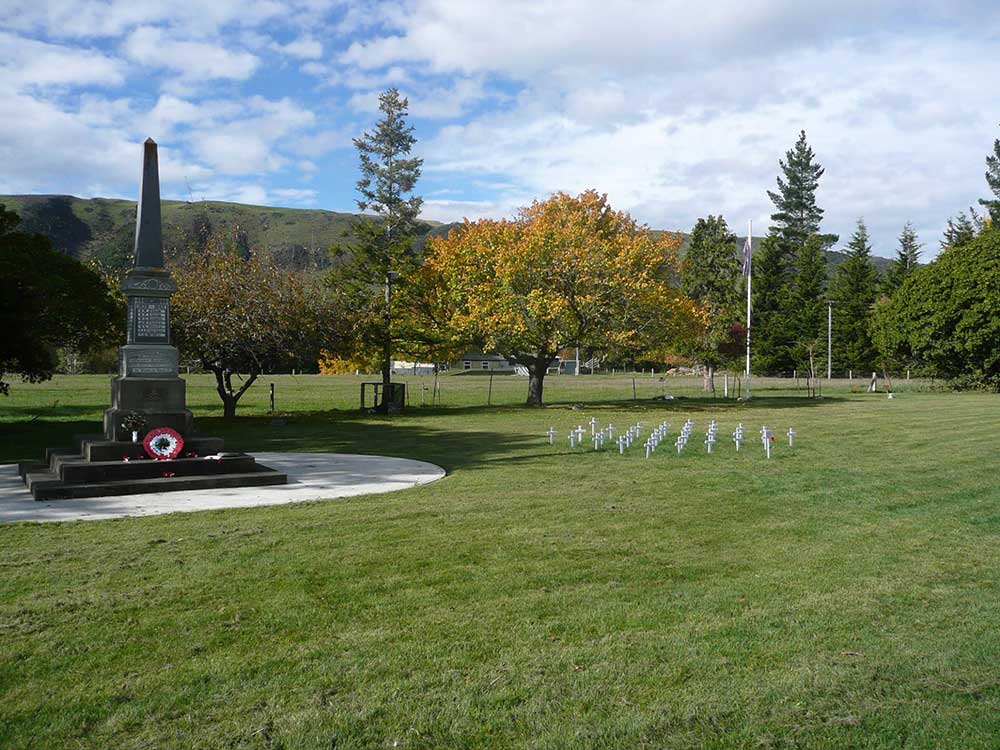
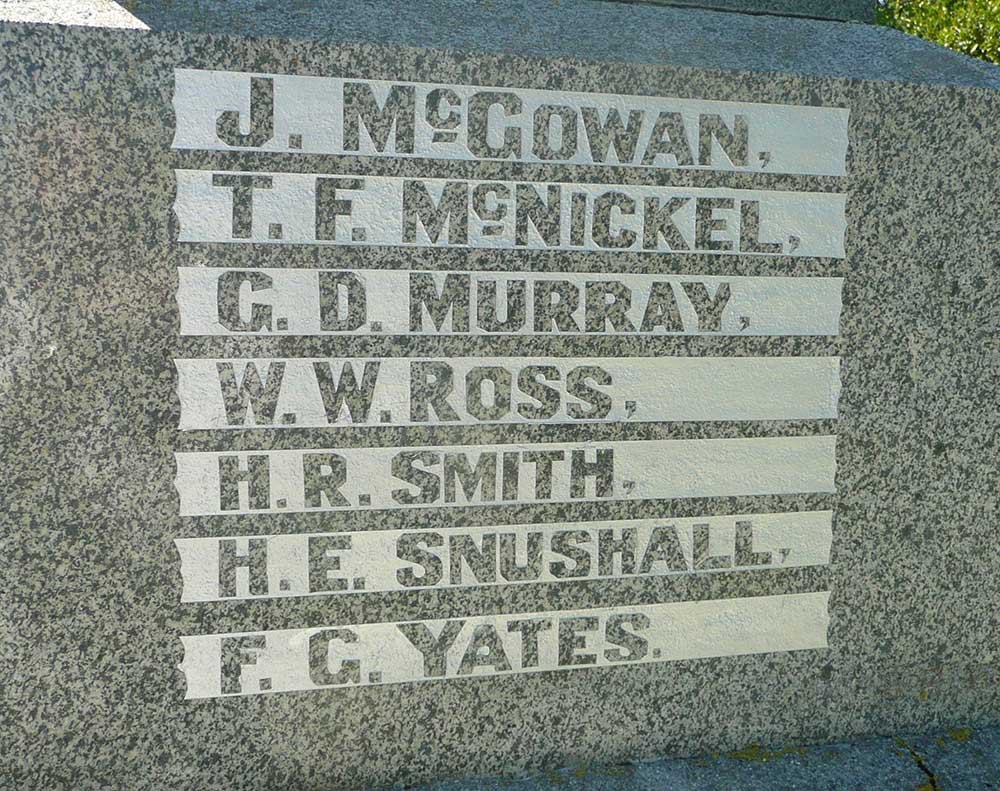
| New Zealand Memorials | On Memorial wall, Timaru; Geraldine Church Memorial; Geraldine War Memorial; Temuka RSA Roll of Honour; Fairlie War Memorial; Temuka War Memorial; Albury War Memorial | ||
Biographical Notes
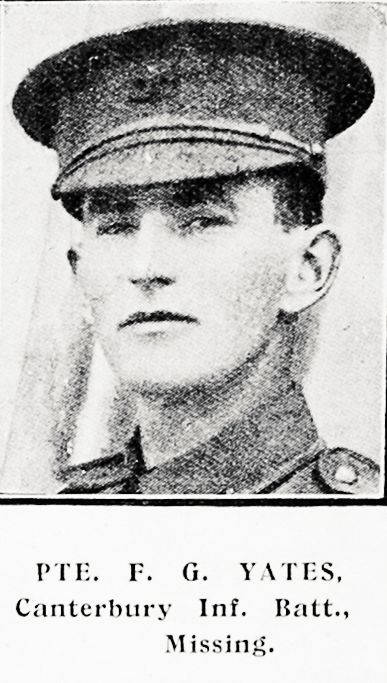
Fred was born in Kingsdown, near Rangitata, South Canterbury, New Zealand on 16 February 1894. He was the son of William Melville Yates and Elizabeth Robertson Yates from Altrincham, Chester, England. The family immigrated to New Zealand on the SS “Tainui,” in 1887 with daughter Clari, (Lindsay Young’s Grandmother). The other eight siblings were all born in New Zealand.
William Yates was Headmaster at various schools in the South Canterbury region finally settling at Rangitata Island before retiring to Rangitata. He had written textbooks for Latin and Arithmetic. He was very musical and had sung with several choirs in England including Sir Charles Halle’s choir.
Elizabeth Yates, (nee Archibald), was from Edinburgh and her father owned a printing and papermaking business.
When Fred left school he worked in the local area as a farm labourer. As soon as World War 1 was declared on 28 July, 1914, he volunteered and was a part of the Canterbury Regiment of the NZ Expeditionary Force. Hs mother is said to have been so proud of him that she told her friends that if she had a dozen sons she would have encouraged them all to join up. When Fred left home he promised not to drink, gamble or get involved with women – a promise he apparently kept according to his letters home.
His initial training was at Plumpton Park, Christchurch, (now part of the old Wigram Airbase), where he was in the top 12 best shooters in the company. He left Christchurch for embarkation in Wellington on 24 September 1914, on HMNZ “Athenic.” From his letter it appears he was very confident of an early victory and viewed the experience as a real adventure. They left early October and were in Hobart, Tasmania, on 21 October. He was obviously a good sailor as he comments on other soldiers who were seasick.
On 27 October they were moored outside Albany, Western Australia, waiting to berth in Perth where the horses were to be embarked. From there they were escorted to Port Said, Egypt, by 38 ships including the Australian ships, “Sydney,” “Melbourne,” “Pyrimus,” and “Minotaur” as well as the Japanese ship, ”Ibouki.” Off the Cocos Islands they watched the “Sydney” pursue and sink the German cruiser ”Emden.” On landing at Port Said they were stationed at Heliopolis with the 10th Manchester Territorials. In all there were 100 000 troops stationed in a seven mile circumference of Cairo.
Fred met Bandmaster Howard Peers of the 5th Battalion Lancashire Fusiliers who was a friend of his father whilst in Cairo. Through him he was able to attend some concerts while in Egypt.
In February his battalion was posted to the edge of the Sahara Desert in order to deter the Turks from progressing further into Egypt and seizing the Suez Canal which was a vital transport route for the Allies. After a month in Ismalia they returned to Heliopolis knowing the Suez Canal was safe. Fred and his company, the 2nd South Canterbury, didn’t get involved in the fighting but he reports they were close enough to get an idea of what war really was like. He was very impressed by the Indian soldiers who took hundreds of Turks prisoner.
The army spent a lot of time in Cairo doing route marches and training but had no idea where they were to be sent. In April a large number of troops from England arrived and the realisation came that they were going to have, “a big dust up somewhere, perhaps the Dardanelles.”(sic). The general feeling was that the Germans hadn’t made much progress and were given another year until they had to give up. Unfortunately it took another three years for peace to come.
On 9April he wrote to his mother saying they were heading towards the Dardanelles and expecting to march into Constantinople within a month. Unfortunately, as history shows, this didn’t occur and Fred was killed as he landed at Anzac Cove on the morning of 25 April, 1915. His remains are at Lone Pine Cemetery where his name is recorded on the memorial. His last letter home we have was dated 4 April and was to his brother Arthur.
His great nephew, Lindsay Young, and wife Barbara, along with their younger son Gareth and partner Robyn visited the site in 2008 where a poppy and photo were placed beside Fred’s name.
A casualty of Fred’s death was that his father became an alcoholic and therefore his position as Headmaster of the local school was terminated. Fred’s mother had to deal with the effects of losing a son, dealing with a husband who drank to cope, and watching another son prepare to go to war. Fortunately Joe and Arthur were too late to see much action, but Arthur was wounded and sent to England for treatment.
Sources
Auckland War Memerial Museum Cenotaph Database (6 August 2013); Military service records; SCRoll submission by Barbara Young, 17 Novbember 2018
External Links
Related Documents
Researched and Written by
Tony Rippin, South Canterbury Museum (biography based on research by B Young)
Currently Assigned to
Not assigned.
 Licensed under a Creative Commons Attribution-NonCommercial 4.0 International License unless otherwise stated.
Tell us more
Do you have information that could be added to this story? Or related images that you are happy to share? Submit them here!