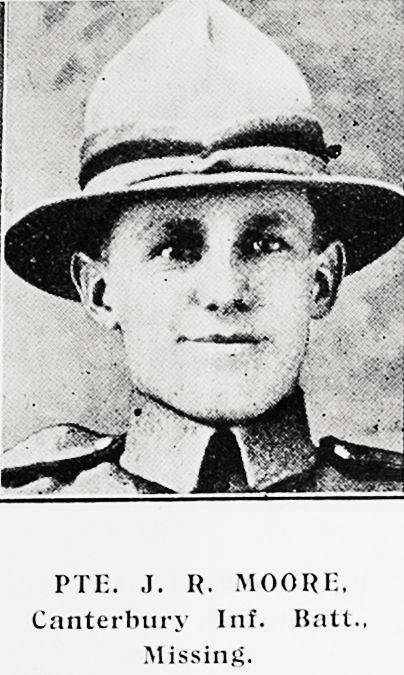
MOORE, John Roberts
(Service number 6/1342)
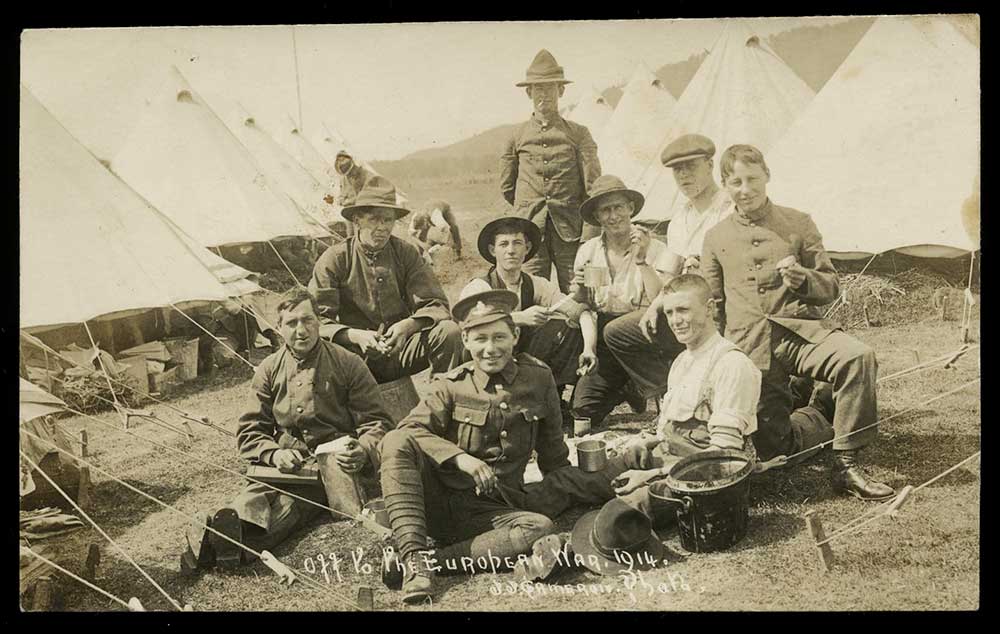
Also believed to be in the photograph is John (Jack) Moore (possibly one of those in the back?) and Eric George Scrimshaw (but which is not clear), and Victor Ian Aspinall (possibly the man seated at the far left). (South Canterbury Museum 7787)
| First Rank | Private | Last Rank | Private |
|---|
Birth
| Date | 23/08/1896 | Place of Birth |
|---|
Enlistment Information
| Date | Age | ||
|---|---|---|---|
| Address at Enlistment | Fraser Street, Temuka, New Zealand | ||
| Occupation | Clerk | ||
| Previous Military Experience | |||
| Marital Status | Single | ||
| Next of Kin | D.M. Moore (father), Temuka Gasworks, Temuka, New Zealand | ||
Military Service
| Served with | NZ Armed Forces | Served in | Army |
|---|
Embarkation Information
| Body on Embarkation | 2nd Reinforcements | ||
|---|---|---|---|
| Unit, Squadron, or Ship | Canterbury Infantry Battalion | ||
| Date | 14 December 1914 | ||
| Transport | Verdala or Willochra or Knight of the Garter | ||
| Embarked From | Wellington, New Zealand | Destination | Suez, Egypt |
| Other Units Served With | |||
|---|---|---|---|
| Last Unit Served With | Canterbury Infantry Battalion | ||
Military Awards
| Campaigns | Balkans (Gallipoli) 1915 | ||
|---|---|---|---|
| Service Medals | |||
Award Circumstances and Date
No information
Prisoner of War Information
| Date of Capture | |
|---|---|
| Where Captured and by Whom | |
| Actions Prior to Capture | |
| PoW Serial Number | |
| PoW Camps | |
| Days Interned | |
| Liberation Date |
Death
| Date | 25 April 1915 | Age | |
|---|---|---|---|
| Place of Death | Gallipoli, Turkey | ||
| Cause | Killed in action | ||
| Memorial or Cemetery | Baby 700 Cemetery, Anzac, Turkey | ||
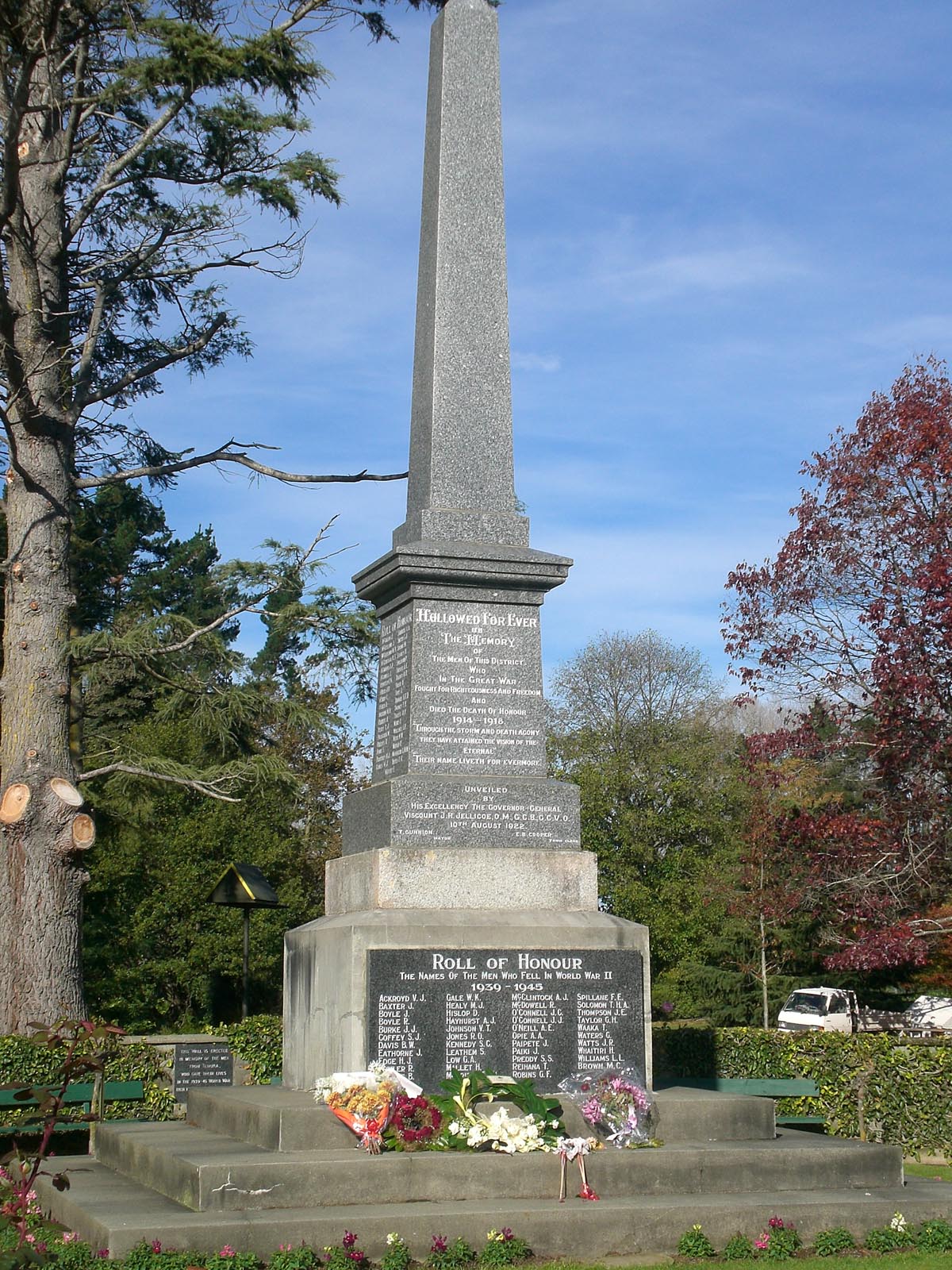
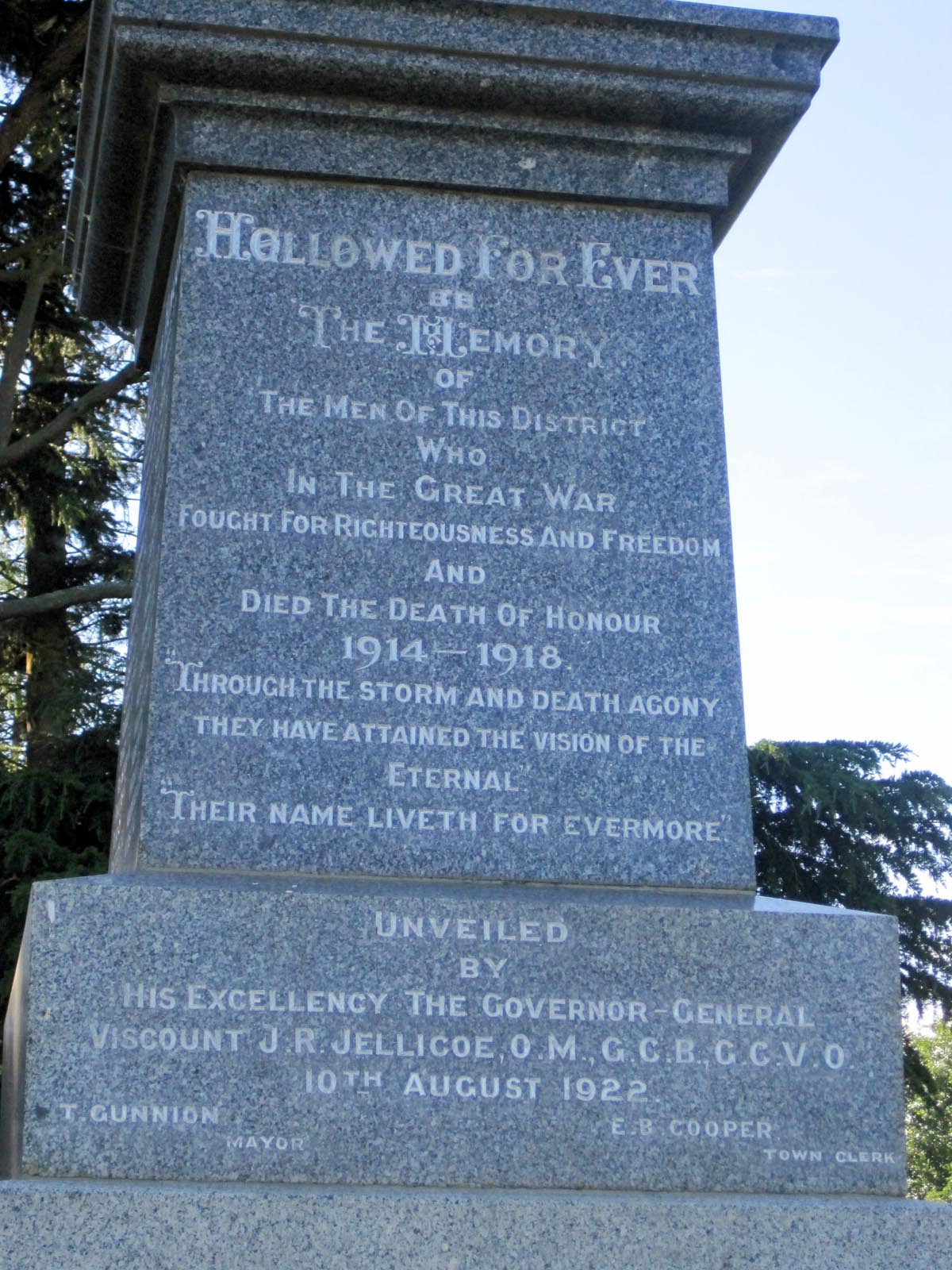
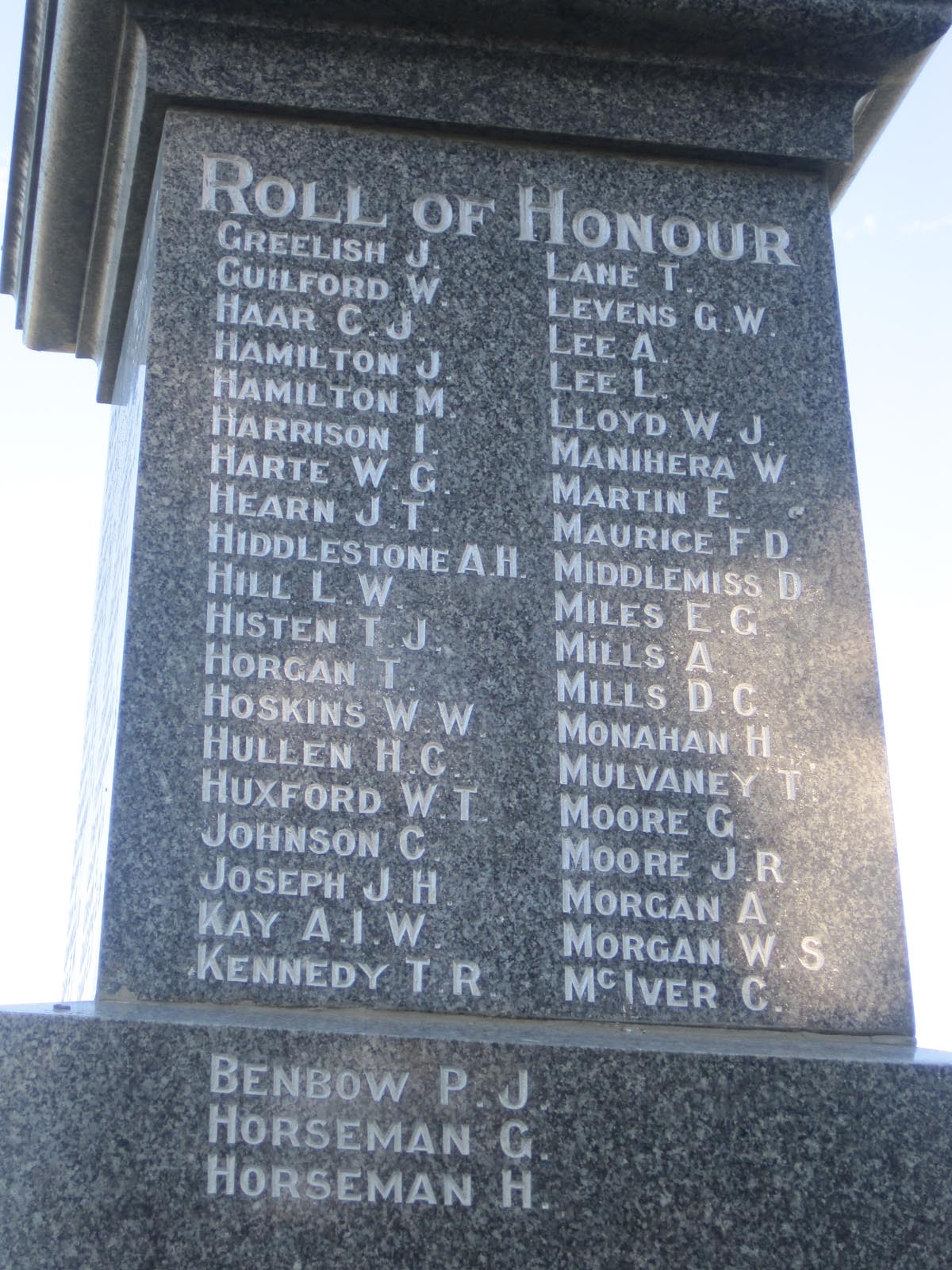
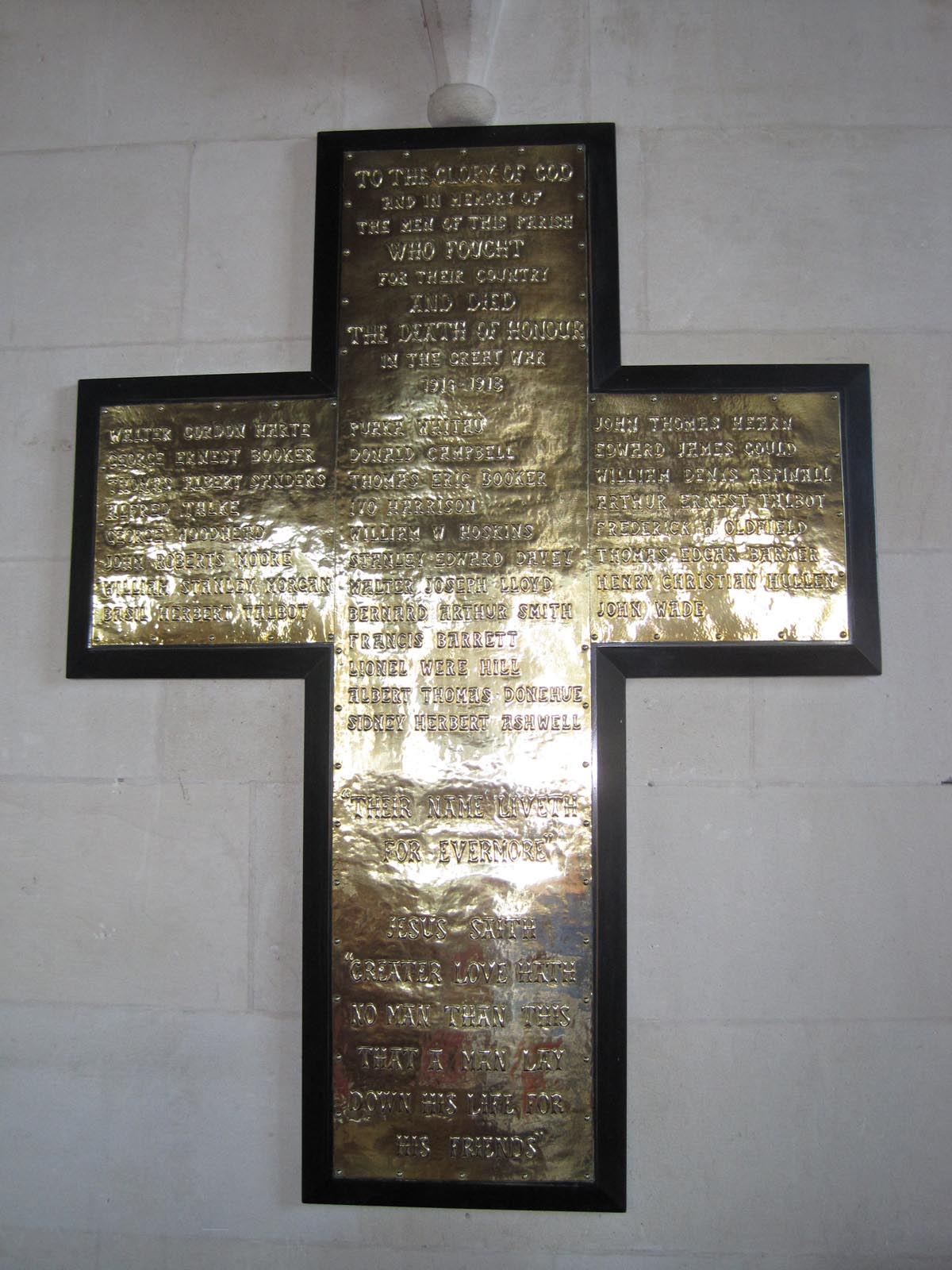
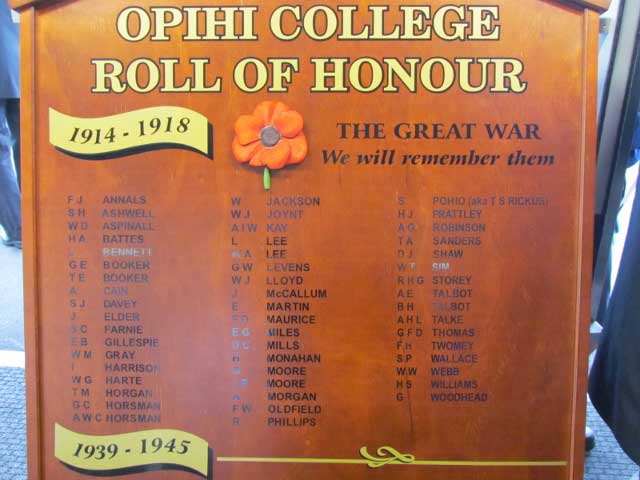
| New Zealand Memorials | On Memorial wall, Timaru; Temuka RSA Roll of Honour; Temuka War Memorial | ||
Biographical Notes
The Timaru Herald of 24 February 1917 recorded: In connection with the death in action of Lieutenant Monson of Timaru, Brigadier-General Braithwaite has written to the deceased’s father, from Sling Camp, the following letter: “If I may, I want to tell you how deeply grieved I was when your gallant son was killed in action. He was a special favourite of mine on account of his sterling qualities. He was the best trainer at bayonet fighting and physical training that we had in the brigade, and when there was any special work to be done in that time, I always sent for him. Nothing was too great a trouble to him. The pages of history do not contain a finer story than that of the fighting of the 2nd Canterbury Battalion, during those 23 consecutive days on the Somme, and their bayonet work was what enabled them to turn the Germans out four times and at length hold the position. This was to a great extent the result of your son’s work. I am well aware that no words of mine can be of any comfort to you or your family in your sorrow, but I trust that as time goes on, the memory of his glorious life and death as a soldier may be a proud memory to you. He is a very great loss to my brigade, and to his own battalion in particular.”
Sources
Auckland War Memorial Cenotaph Database, August 2013, CWGC.
External Links
Related Documents
No documents available.
Researched and Written by
Currently Assigned to
Not assigned.
 Licensed under a Creative Commons Attribution-NonCommercial 4.0 International License unless otherwise stated.
Tell us more
Do you have information that could be added to this story? Or related images that you are happy to share? Submit them here!