| Aliases |
|
| First Rank |
Private |
Last Rank |
Lance Corporal |
Birth
| Date |
07/06/1897 |
Place of Birth |
Milford, Temuka, Canterbury |
Enlistment Information
| Date |
11 January 1915 |
Age |
19 years |
| Address at Enlistment |
Wilson Street, Timaru |
| Occupation |
Engineer |
| Previous Military Experience |
Senior Cadets, Timaru |
| Marital Status |
Single |
| Next of Kin |
R. N. HAWKES (father), Wilson Street, Timaru; Mrs R. N. HAWKES (mother), Wilson Street, Timaru; Mr R. N. HAWKES (father), Base Records |
| Religion |
Anglican |
| Medical Information |
Height 5 feet 8 inches. Weight 130 lbs. Chest measurement 32-35 inches. Complexion fair. Eyes grey. Hair fair. Sight normal. Hearing and colour vision both good. Limbs well formed. Full and perfect movement of all joints. Chest well formed. Heart and lungs normal. Teeth good. Free from hernia, varicocele, varicose veins, haemorrhoids, inveterate or contagious skin disease. Vaccinated. Good bodily and mental health. No slight defects. No fits. No illnesses. No distinctive marks or marks indicating congenital peculiarities of previous disease. Fit. |
Military Service
| Served with |
NZ Armed Forces |
Served in |
Army |
| Military District |
|
Embarkation Information
| Body on Embarkation |
3rd Reinforcements |
| Unit, Squadron, or Ship |
Otago Infantry Battalion |
| Date |
14 February 1915 |
| Transport |
Maunganui or Tahiti or Aparima |
| Embarked From |
Wellington, New Zealand |
Destination |
|
| Other Units Served With |
|
| Last Unit Served With |
Otago Infantry Regiment |
Military Awards
| Campaigns |
Balkans (Gallipoli); Western Front (Passchendaele) |
| Service Medals |
1914-15 Star; British War Medfal; Victory Medal |
| Military Awards |
Military Medal |
Death
| Date |
12 October 1917 |
Age |
20 years |
| Place of Death |
"Somewhere in France" - Passchendaele |
| Cause |
Killed in action |
| Notices |
Timaru Herald, 3 November 1917 |
| Memorial or Cemetery |
Tyne Cot Memorial, Tyne Cot Cemetery, Zonnebeke, West-Vlaanderen, Belgium; on a memorial stone in Timaru Cemetery (on his grandmother's & parents' plot) |
| Memorial Reference |
N.Z. Apse, Panel 3. Timaru Cemetery - General Section, Row 30, Plot 384. |
| New Zealand Memorials |
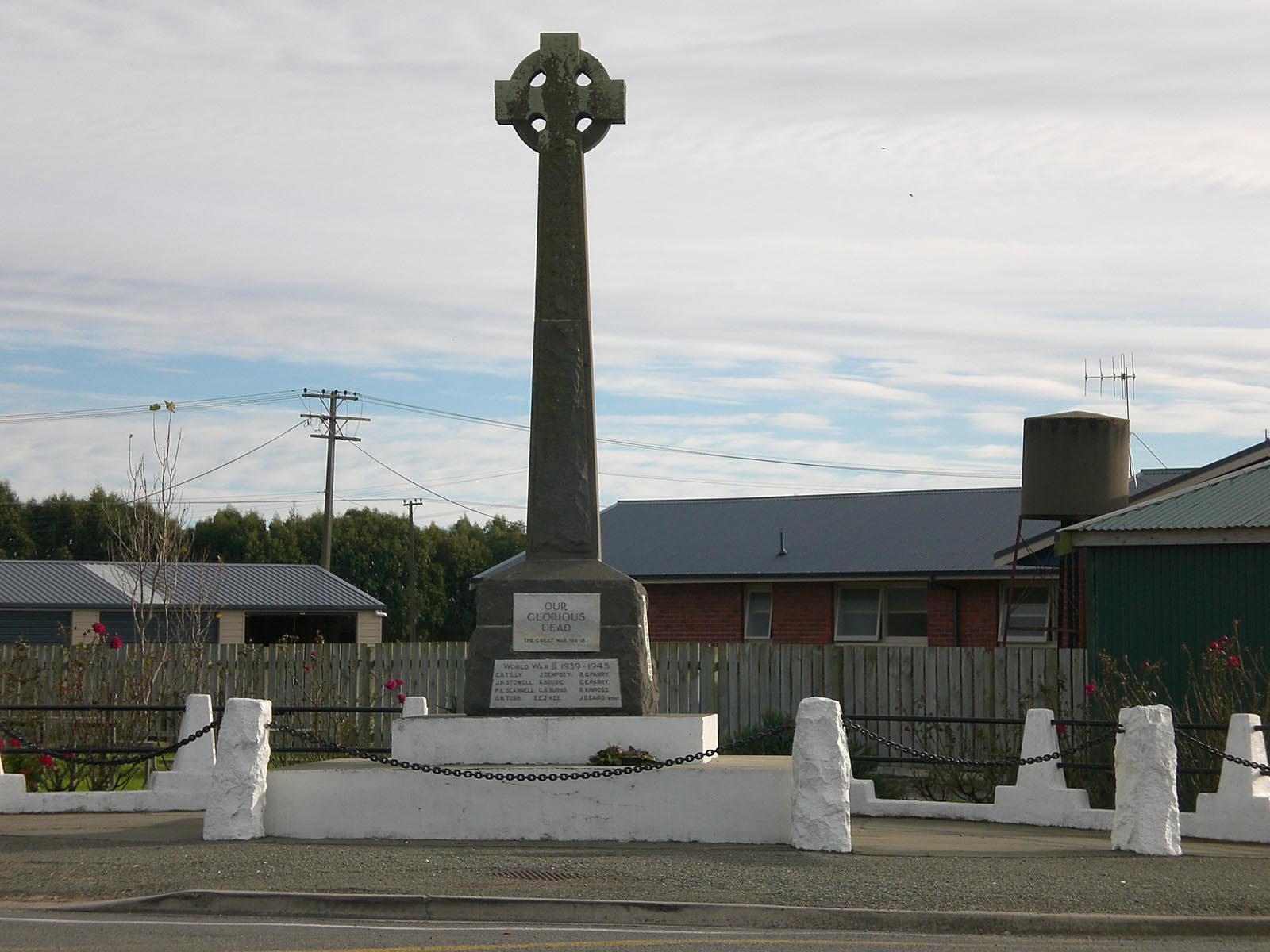
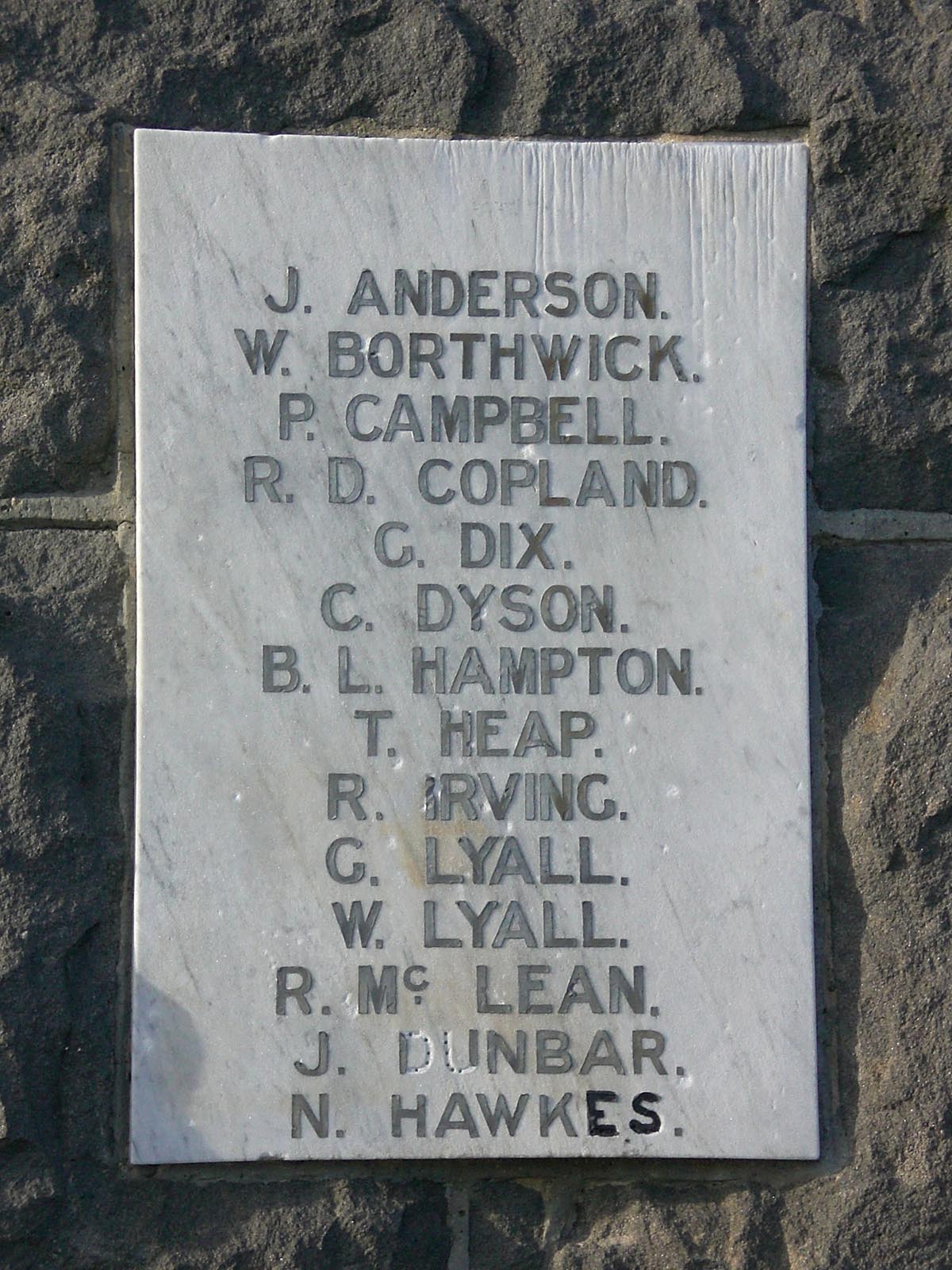
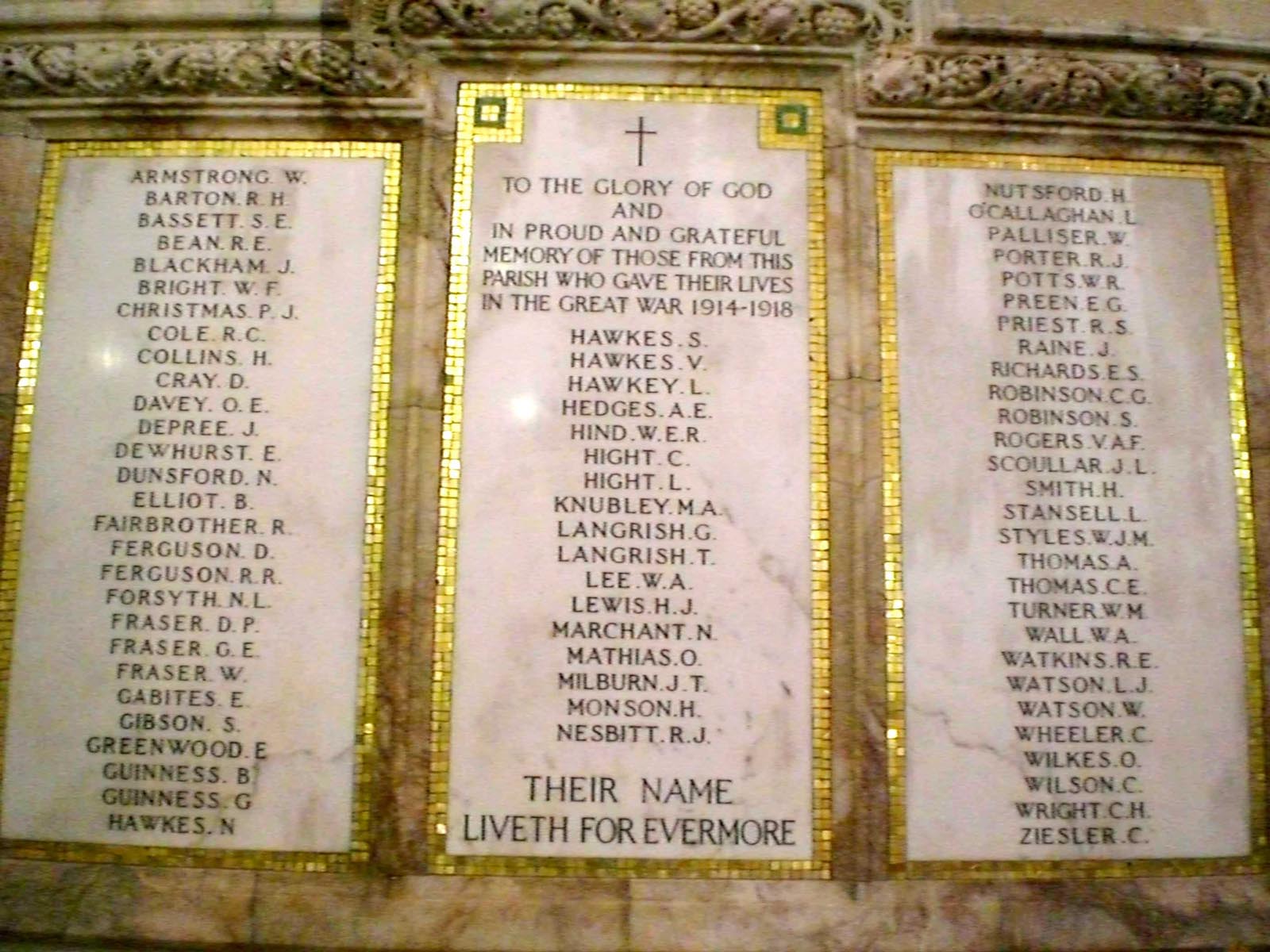
Timaru Memorial Wall; St Mary's Anglican Church, Timaru (HAWKES N.); St Andrews War Memorial (N. HAWKES) |
Biographical Notes
Richard Neville Hawkes was the older son of Richard Neville Nettles and Christina Janet (née Russell) Hawkes, of Timaru. Born on 7 June 1897 at Milford, Temuka, Richard was educated for ten years at St Andrews School, South Canterbury, where his father was the headmaster. For some years prior to his appointment at St Andrews in 1899, Mr Hawkes held positions under the South Canterbury Board of Education, including at Milford and Winchester. He was very active in the South Canterbury community - engaging in debating, delivering papers (e.g. “Reminiscences of Early Times on the Goldfields of Otago” in 1893 at Rangitata), entertaining especially with his singing. He was involved in athletics, cricket, football (playing for Temuka and Waihi and refereeing school games), and fishing. He was instrumental in setting up the gun club at St Andrews and was a church warden in the Otaio and Bluecliffs parish. On retiring from teaching in 1912 on account of failing health, he moved into Timaru and worked as a produce buyer and land agent. On leaving St Andrews School he intended presenting to the school his natural history museum, which included stuffed native birds, insects, geological specimens, and curios representative of New Zealand and South Sea Islands. In November 1914 Mr Hawkes was the spokesman for the land agents of Timaru when they met to farewell one of their number who had volunteered for the front. Little would he anticipate that his own young son was soon to leave, too. In 1916 Richard Hawkes senior was the secretary of the New Zealand Branch of the British Red Cross Society, accepting subscriptions and handling appeals. During the war he did valuable work in the Base Records Office, enlisting in February 1917 and serving with the rank of corporal. In the 1919 electoral roll he was recorded as a soldier in Wellington. Young Richard followed in his father’s football footsteps, playing for the Zingari Football Club before he left for the front. At the time of enlistment, on 11 January 1915, Richard was an indentured engineering apprentice with Wallace and Cooper. He gave his birth date as 7 March 1894, putting up his age by over three years to enable him to enlist. A fit young man, he had had experience with the Timaru senior cadets. His next-of-kin was alternatively his father and his mother. On 11 January 1915, in the “most perfect weather” in Dunedin, young Richard Neville Hawkes assembled with 112 others at the Garrison Hall, ready to leave for training for Egypt, every man of them “knowingly making a greater or less sacrifice for wholly unselfish ends.” The Mayor wished them God-speed in the work they had undertaken on behalf of the Empire. The Primate (Bishop Nevill) wanted them all to remember “that this was God’s battle [they] were fighting, for justice and right and truth and honour and virtue.” He wished them all God-speed and good health and every blessing. Headed by the pipe-major, the men set off for the station and before too long 15 crowded carriages drew out to the cheers and tears of the crowd of relatives and friends. Just a month later Richard was on his way and disembarked at Suez on 26 March 1915. Severely wounded on 16 May 1915 at the landing at Gallipoli, he was admitted to the Hospital Ship Braemar Castle and transferred to Lady Godleys Convalescent Home at Alexandria, where he spent four months. The bullet which hit him was not extracted, it being too near his heart. He embarked again for the Dardanelles and rejoined his unit at Lemnos. After being wounded for a second time, in September, he had recovered sufficiently by 23 October to leave for the front. In April 1916 he embarked for France. There on 8 February 1917 he was admitted to the No 3 New Zealand Field Ambulance, the next day transferred to the No 2 Australian Casualty Clearing Station and on 13 February to the 23rd Stationary Hospital, haemorrhaging from the lung, then on 18th moved to the Convalescent Depot at Boulogne. By June he needed some relief – by way of seven days confined to barracks and forfeiture of seven days pay for falling out of march. In late June 1917, he was appointed temporary lance-corporal, relinquishing the position 12 days later to be appointed corporal “to complete establishment”. In August he was appointed temporary corporal – the last report before his death. Lance-corporal Richard Neville Hawkes was killed in action on 12 October 1917, on that fateful day at Passchendaele, when 845 New Zealanders died in one day in a failed attack in the mud and bunkers. 7th June 1917 had marked the third birthday that Richard celebrated in the field - turning 20. Great sympathy was felt for Mr and Mrs Hawkes in the loss of their brave son, recorded the Timaru Herald of 3 November 1917. Only in July 1917 Mrs Hawkes had left 5 shillings at the “Herald” Office for the Patriotic Society’s Fund for Christmas comforts for the trenches. In October 1919 R. N. Hawkes gave £2.2.0 towards the War Memorial Fund. There would be a touch of sadness that their son was not home at “Kilcrea”, Wilson Street, to celebrate his sister Lily’s wedding in February 1920. A memorial notice – “In loving memory” - was inserted in the Timaru Herald in 1920. The medals (1914-1915 Star, British War Medal and Victory Medal), plaque and scroll of Lance-Corporal Richard Neville Hawkes were sent to his father. In 1959 there was correspondence from the Public Trustee, Melbourne, Australia, to Base Records, New Zealand, seeking confirmation that Richard Neville Hawkes had been killed in France about 1917. This was in connection with the administration of the estate of Jean Margaret Crooke, presumably a relative (perhaps his father’s sister). One of the hundreds whose bodies were not recovered, Richard is remembered on the Tyne Cot Memorial, Tyne Cot Cemetery, Zonnebeke, West-Vlaanderen, Belgium. His name and that of his uncle are inscribed on his grandmother’s stone in the Timaru Cemetery, over a plot where his father was also buried in 1923. He was a nephew of Samuel Gibbings Hawkes, who died of wounds on 7 November 1917 in the United Kingdom. His name is inscribed also on the Timaru Memorial Wall, St Mary's Anglican Church, Timaru (HAWKES N.) and the St Andrews War Memorial (N. HAWKES).
Sources
Auckland War Memorial Museum Cenotaph Database [05 May 2013]; NZ Defence Force Personnel Records (Archives NZ ref. AABK 18805 W5539 0052247) [15 September 2015]; CWGC [17 August 2013]; Temuka Leader, 22 June 1893, 04 July 1893, 3 November 1917, 17 July 1923, Waimate Daily Advertiser, 1 April 1912, Timaru Herald, 12 November 1914, 20 April 1915, 18 May 1915, 5 August 1915, 9 September 1915, 21 & 22 February 1917, 7 June 1917, 27 July 1917, 3 November 1917 [x 3], 4 October 1919, 14 February 1920, 12 October 1920, Otago Daily Times, 12 January 1915, 18 May 1915, 10 November 1917, 16 July 1923, Dominion, 17 May 1915, Press, 19 May 1915, 6 November 1917, Star, 7 June 1915, Evening Post, 7 June 1915, 13 November 1917, Ashburton Guardian, 30 October 1915, Lake County Press, 19 July 1923 (Papers Past) [13 November 2013; 14 September 2015; 22 July 2017]; Timaru Cemetery headstone image (Timaru District Council) [17 August 2013]; School Admission Record (Waimate Branch NZSG) [2013]; Timaru Cemetery headstone image (Timaru District Council) [17 August 2013]; NZ Electoral Rolls (ancestry.com.au) [22 July 2017]
External Links
Related Documents
Researched and Written by
Teresa Scott, SC branch NZSG
Currently Assigned to
TS
Do you have information that could be added to this story? Or related images that you are happy to share? Submit them here!
 Licensed under a Creative Commons Attribution-NonCommercial 4.0 International License unless otherwise stated.